Iakob Khutsesi
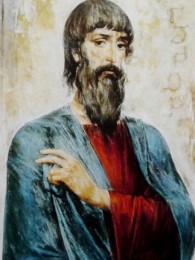
Iakob Khutsesi (Tsurtaveli), a Georgian writer and hagiographer from the second half of the 5th century. He is the author of The Martyrdom of Saint Shushanik (Tsamebai Tsmidisa Shushanikisi Dedoplisai), the oldest surviving original Georgian literary monument.
The work describes how Varsken, the Pitiakhsh (Viceroy) of Kartli, betrayed his country, renounced his faith, embraced Mazdaism to win the favour of the Persians, and tortured his wife for her devotion to Christianity. Information regarding Iakob Khutsesi is preserved within his own work, which indicates that he was the court priest of the Pitiakhsh Varsken, a person close to Shushanik, and a contemporary and participant in the tragedy that unfolded in the town of Tsurtavi at the court of the Pitiakhsh of Kartli.
The treatise was written between 476 and 483, after Shushanik's martyrdom and prior to the execution of Varsken by King Vakhtang Gorgasali. It is believed that Iakob Khutsesi later became the Bishop of Tsurtavi and attended the ecclesiastical council in 506 (the Bishop of Tsurtavi, Iakob, is mentioned among the participants of this council). His work has survived in an altered form (the beginning appears to be missing, some details are omitted, etc.). The oldest extant manuscript dates to the 10th century.
The Martyrdom of Saint Shushanik is one of the first original works to have reached us and holds immeasurable significance for Georgian culture.
Iakob Khutsesi is an outstanding master of the artistic word. The natural narration and expressive development of the action, the deep psychological analysis of the characters' spiritual lives, the masterful elaboration of artistic details, the unvarnished depiction of real-life events and the laconic style and rich vocabulary, the individuality of the heroes' speech, and the dialogues—these impressive figures, created with high aesthetic and literary taste, make Iakob Khutsesi's outstanding talent evident. Despite the limitations imposed by the ideological purpose and genre specificity of the work, Iakob Khutsesi created a highly artistic masterpiece rather than a conventional hagiographic template.
The writer portrayed Shushanik as a resolute personality who opposed the political and religious designs of her traitorous husband, thereby defending not only her dignity as a woman but also her faith and the national-state independence of Kartli. Saint Shushanik was intended to become an exemplary model for posterity. The work also exposes the anti-national behavior of certain nobles of Kartli. Alongside the description of Shushanik's martyrdom, the writer provides pictures of everyday life in 5th-century Kvemo Kartli, reflecting the political-economic and social situation of the country, its ecclesiastical organization, customs, and cultural circumstances. Therefore, it also serves as an excellent historical source. The high artistic level and ideological-content depth of the work suggest that it was likely not the sole fruit of Iakob Khutsesi's creativity.
The Martyrdom of Saint Shushanik was translated into Armenian early on. Based on the revision of this translation, a short Armenian version was created. There also exists a short Georgian redaction of The Martyrdom of Saint Shushanik, which was translated from the short Armenian version no later than 940.
It was first published by M. Sabinin (1882); translated into Latin by P. Peeters (1935); into Russian by K. Kekelidze (1956) and V. Dondua (published in 1978); into French by S. Tsuladze; into English by E. Fuller; into German by N. Amashukeli; into Spanish by A. Martinez; and into Hungarian by M. Istvanovits. An English paraphrase belongs to D. Lang (1956).
In 1978, the Georgian public widely celebrated the 1500th anniversary of the writing of The Martyrdom of Shushanik. By decision of UNESCO, this anniversary was marked internationally between 1979 and 1983.
Literary works: მარტვილობაჲ შუშანიკისი ილ. აბულაძის გამოც., თბ., 1938; თბ., 1978; [წიგნში] ძველი ქართული აგიოგრაფიული ლიტერატურის ძეგლები წგ. 1, თბ., 1963; ძველი ქართული საეკლესიო ლიტერატურა, ტ. 1, ძეგლები თარგმნა, გამოსაცემად მოამზადა და სქოლიოები დაურთო ედიშერ ჭელიძემ, თბ., 2008.
Literature: ბარამიძე ა., „შუშანიკის წამების" ახლებური გაგების გარშემო «მნათობი», 1978, №10; ბარამიძე რ., ქართული მწერლობის სათავეებთან თბ., 1978; იაკობ ცურტაველის „შუშანიკის წამება" და ადრექრისტიანული კულტურა, ლიტერატურის ინსტიტუტის გზამკვლევი, თბ., 2012; კეკელიძე კ., ქართული ლიტერატურის ისტორია ტ. 1, თბ., 1960; მეტრეველი ს., ქართული სულიერი კულტურის პარადიგმები - აგიოგრაფია, თბ., 2020; ონიანი შ., იაკობ ხუცესის „წამება წმიდისა შუშანიკისი", თბ., 1978; შუშანიკის წამება. საიუბილეო კრებული. გამოკვლევები და წერილები თბ., 1978; სირაძე რ., ქართული აგიოგრაფია, თბ., 1987; ჭილაძე თ., იაკობ ცურტაველის „შუშანიკის წამება", თბ., 1978; ჯავახიშვილი ივ., თხზულებანი თორმეტ ტომად ტ. 8, თბ., 1977.
L. Menabde