Iashvili Paolo
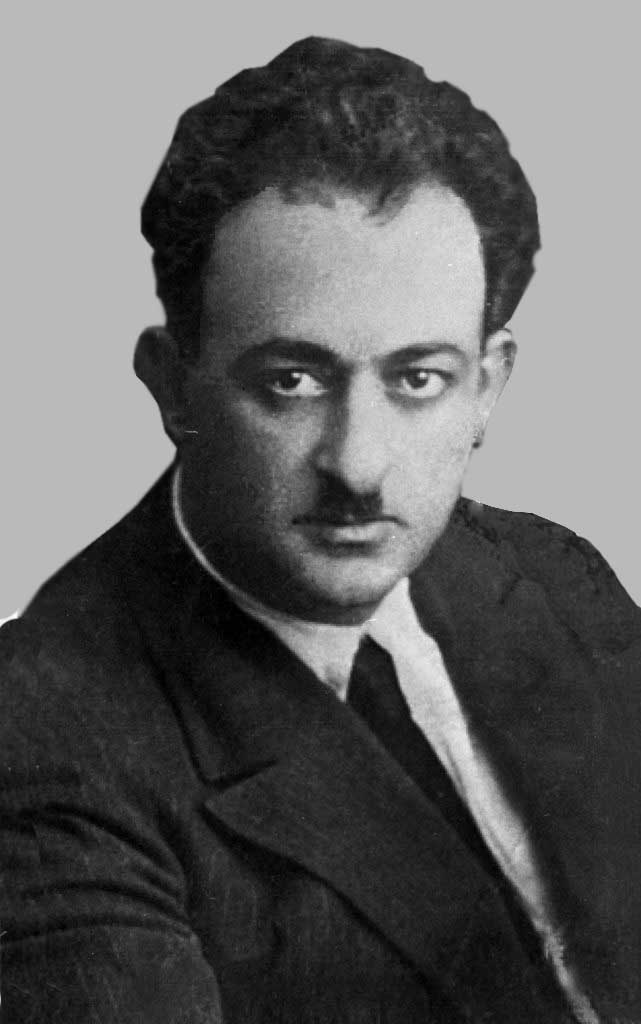
Iashvili, Paolo [August 3 (15), 1892, the village of Argveti, present-day Sachkhere Municipality – July 22, 1937, Tbilisi], poet, public figure, one of the reformers of 20th-century Georgian poetry, and the leader of the "Blue Horns" (Tsisperkantselebi) group.
He studied at the Kutaisi Classical Gymnasium and edited the gymnasium's journal, Strelok Kolkhidy (1911). During his time at the gymnasium, he revealed an interest in modernism and attended poetry evenings and Grigol Robakidze's lectures. He completed his studies at the Anapa Shepetov private gymnasium. In 1913, in Kutaisi, he edited the journal he had founded, Okros Verdzi (The Golden Ram, Nos. 1–5). He demonstrated both a striving toward Western literary innovations and a desire for the modernization of Georgian poetry.
In 1913, Iashvili traveled to Paris to study painting at the Institute of Art near the Louvre; however, his love for poetry drew him into the bohemian literary environment of Montmartre. At the Café Rotonde, he became closely associated with modernist and avant-garde poets and artists of various nationalities.
In early 1915, he returned to his homeland and managed to publish a journal representing a new direction—the symbolist Tsisperi Kantsebi (Blue Horns). The members of the symbolist group, including T. Tabidze, V. Gaprindashvili, S. Kldiashvili, and Sh. Apkhaidze, were studying in Russia until 1917 and supplied material to the journal from there. Iashvili was deeply fascinated by the reformation of Georgian versification, experimenting with the sonnet, triolet, free verse, and novel sound-writing. To challenge retrograde poetry and for the purpose of provocation (épater), he created the erotic diaries (1915–1924) of a fictitious female poet, Elene Dariani, which remains the only successful literary mystification in 20th-century Georgian poetry.
Iashvili masterfully utilized modernist and symbolist techniques in works such as Wedding (1915), Paolo Iashvili Got Bored of the Yellow Dante, and Triptych (both 1916). His lyrical hero, the poet-dandy, is held captive by dreams and chimeras (To Valerian Gaprindashvili, 1915; Self-portrait, 1917; To Titsian Tabidze, 1919). The apocalyptic expectation of the end of the world, a sense of duality, and spiritual homelessness are conveyed in his urbanist poems, including Europe, Peacocks in the City, and Red Bull (all three published in 1916).
The popularity of the "Tsisperqantselebi” (Blue Order) began in 1918, when the creative intelligentsia of Western Georgia flocked to the capital of the newly independent Georgia, and the main core of the group settled in Tbilisi. In 1918, under Iashvili's leadership, the first evening of the "Blue Horns" was held in the Great Hall of the Conservatory. From 1917, through the initiative of Iashvili and T. Tabidze, the foundation was laid for the Writers' Union and the Café Kimerioni. Several journals and newspapers were launched, including Meotsnebe Niamorebi, Barrikadi, Rubikoni, Mshvildosani, and Bakhtrioni. The periodicals of the Blue Horns ceased publication after the Bolsheviks suppressed the 1924 uprising in Georgia.
Following the loss of Georgia's independence, Iashvili experienced a severe creative crisis. The new government forced non-party writers to pay an ideological tribute by praising socialist construction. Iashvili was compelled to adapt to the new reality, an experience that proved difficult and painful. However, aside from commissioned pieces, he still managed to write profound poems, described as being brought "from the heart to the flesh" (Urbi, Poetry, The Table – My Parnassus, The Story of the Garden, Like the Crack of a Sail, Debedachai Night, For Kutaisi; 1924–1934). Iashvili also authored the short stories Colored Balloons (1924) and Three Pains (1925), the unfinished poem Bon Voyage (1936–1937), literary essays, and translations of works by A. Pushkin, K. Balmont, V. Mayakovsky, C. Baudelaire, A. Rimbaud, O. Wilde, and others.
The first book of Iashvili's poems was published in 1955, and the first extensive collection of his works was issued in 1959.
The final years of Iashvili's life were full of paradoxes. He was a member of the Transcaucasian Central Executive Committee (from 1934), and in 1934, he was invited to the All-Union Congress of Writers of Georgia. In 1936, alongside a delegation of Georgian artists, he was received with great honor in the Kremlin and awarded a state order. Concurrently, efforts were underway to entangle Iashvili in a web of slander to destroy his reputation. Iashvili responded to this persecution with the most extreme measure of protest: suicide. On July 22, 1937, during a session held at the Writers' Union, he shot himself with his own hunting rifle.
Following his public and political rehabilitation in 1954, Iashvili's remains were transferred to the Didube Pantheon in 1957.
Literary works: პოეზია. პროზა. თარგმანები, თბ., 1965; პოეზია. პროზა. წერილები. თარგმანები, თბ., 1975; საიუბილეო-საარქივო გამოცემა ორ წიგნად, თბ., 2004; ლექსები, სერიიდან „ჩემი რჩეული", თბ., 2012.
Literature: ავალიანი ლ., პაოლო იაშვილი, თბ., 1977, 2017; მისივე, „გიჟი დროის" ქართული მწერლობა, თბ., 2005; ასათიანი გ., თანამდევი სულები, ტ. 3, თბ., 2002; კვერენჩხილაძე რ., წამების გზა, წგ. 1, თბ., 2014; კლდიაშვილი ს., ახლობელი და შორეული, თბ., 1964; მზიური პაოლო. მოგონებები პაოლო იაშვილზე, შემდგ. ლ. ავალიანი, თბ., 1995; ნიკოლეიშვილი ა., პაოლო იაშვილი, თბ., 2000; ქიქოძე გ., ეტიუდები და პორტრეტები, თბ., 1958.
L. Avaliani