Ingorokva Pavle
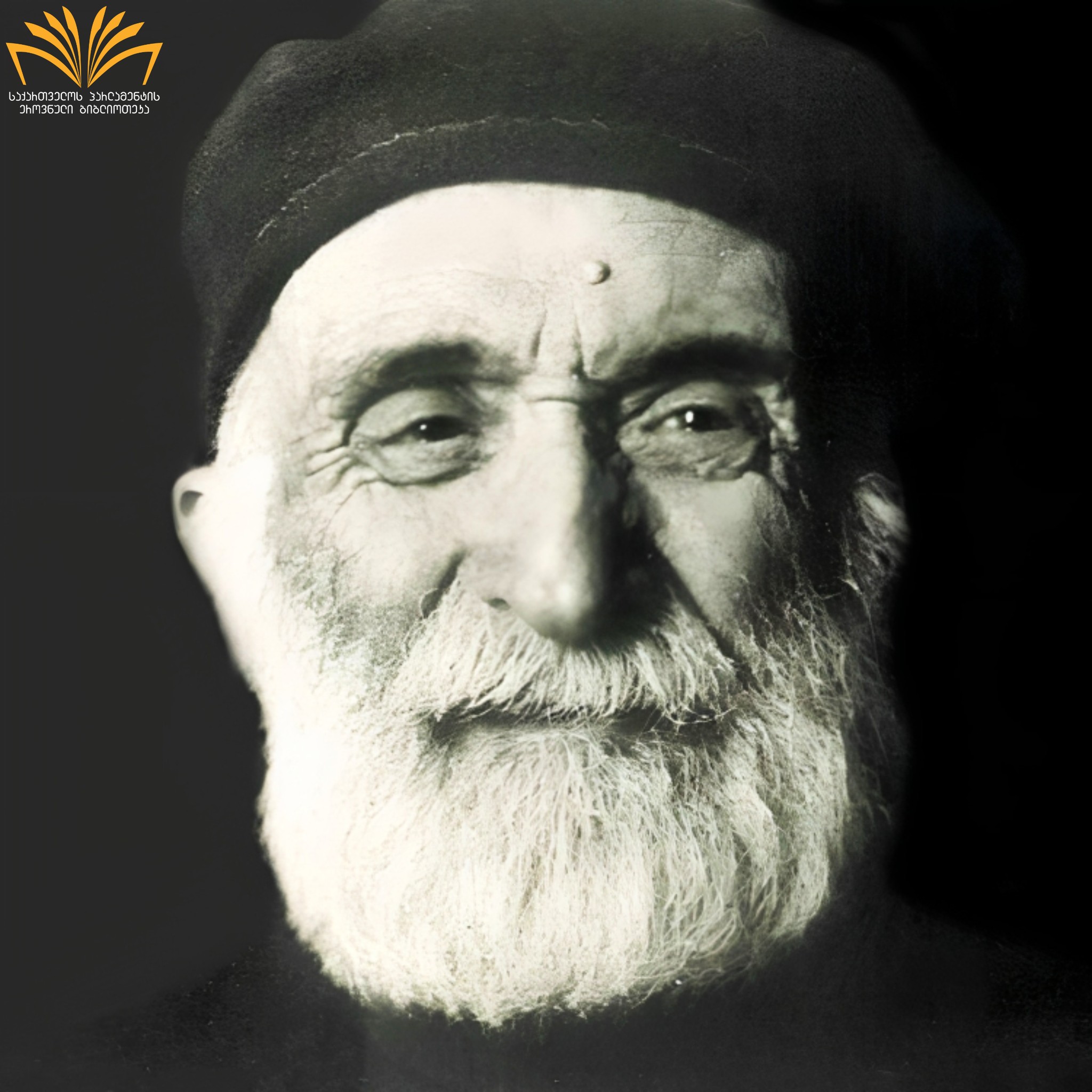
Ingorokva Pavle [Ingoroqva], (January 1, 1893, Poti – November 20, 1983, Tbilisi), literary scholar, public figure.
He graduated from the gymnasium as an external student. From 1912 to 1915, he studied at the Faculty of History and Philology of St. Petersburg University.
He was a member of the Founding Council of the Democratic Republic of Georgia (1917) and one of the signatories of the Act of Independence of Georgia on May 26, 1918; he was also a member of the Church Council of Georgia (1917). He was elected as a member of the Historical and Ethnographic Society of Georgia (1917–1921). He was one of the founders of the Central Scientific Archive (1920), the Writers' Union of Georgia (1923), and the journal "Mnatobi" (1925). He edited the ecclesiastical journal "Svetitskhoveli" (1917), the newspaper of the Writers' Union "Lashari" (1923), and the journals "Kavkasioni" (1924) and "Akhali Kavkasioni" (1925). Ingorokva founded the publishing house "Kartuli Tsigni" (1925–1930). He was a participant in the mixed Russian-Georgian commission created on the initiative of the Council of People's Commissars of Georgia, which was tasked with returning to Georgia the antiquities and documents taken to Russia at various times prior to the revolution (1922). From 1929 to 1939, he managed the manuscript department of the State Museum of Georgia. In 1931, as a politically unacceptable writer, he was expelled from the Writers' Union. From 1936 to 1938, he was the head of the editorial department of the "Great Georgian Soviet Encyclopedia".
Ingorokva's first work, "Old Georgian Ecclesiastical Poetry. VIII–X Centuries. Book I. Texts," was published in 1913. This was one of the first attempts to study and publish the monuments of Georgian ecclesiastical poetry, presenting a completely new artistic and aesthetic world. From 1914, his studies on Georgian literature, culture, and history were published in scientific collections and periodical publications ("Dzveli Sakartvelo", "Sakartvelos Muzeumis Moambe", "Enimkis Moambe", "Kavkasioni", "Mnatobi", and others). Ingorokva discovered examples of so-called rhythmic poetry in Old Georgian literature; in the hymnal collection of Mikael Modrekili, he deciphered the Old Georgian musical notation system. He dedicated the work "Deciphering the Georgian Musical Notation of Antiquity and the Middle Ages and the Restoration of Old Georgian Music" to this subject.
A significant piece in Ingorokva's oeuvre is the fundamental work "Giorgi Merchule" (1954), in which the entirety of Georgian ecclesiastical poetry from the fifth to the tenth centuries is examined, and the compositions of previously unknown poet-hymnographers are revealed and published. The monograph gathers the scientist's multi-year research and explorations, studying Georgian hymnographic poetry in detail.
Literary works: თხზულებანი შვიდ ტომად, თბ., 1963–2012.
Literature: ჩხეიძე რ., ბედი პავლე ინგოროყვასი (ბიოგრაფიული რომანი), თბ., 2003.
R. Chkheidze