Ioane Mtatsmideli
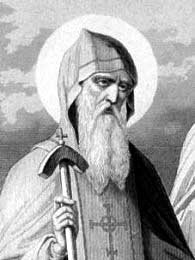
Ioane Mtatsmideli, Ioane Athoneli [John the Athonite] (c. 920–1005), Georgian ecclesiastic figure, scribe; in secular life – one of the nobles of Samtskhe – Varaz-Vache Chordvaneli. He became a monk. Later, he was active in Byzantium on Mount Olympus, where he also brought his minor son, the future Ekvtime Mtatsmideli. In 965, together with Ekvtime and several disciples, he relocated to Mount Athos, to the lavra of Athanasius the Great. The Georgian monks initially built the Church of John the Evangelist, and then settled in the Iviron Monastery on Mount Athos, of which Ioane Mtatsmideli was the builder and first abbot.
He played a special role in the activities of the Athonite literary center. He cared for the expansion of the Georgian brotherhood on Athos and the further strengthening of the monastic complex, purchasing domains. Through all this, he gained favor among both the Georgians and the members of the Greek lavra, and ensured the good-neighborly relations of the inhabitants of the Georgian monasteries with the Greek and Latin monasteries. Ioane Mtatsmideli attempted to arouse broad interest in the ecclesiastical and monastic life of Iviron among the Byzantine authorities and other Greek figures. Through the chrysobulls of the emperors – Nikephoros Phokas, John Tzimiskes, and Basil II – Ioane Mtatsmideli received quite impressive material assistance, which he used for the well-being of the lavra of Athanasius the Great and the Georgian monasteries.
The founder and abbot of the Greek lavra of Athos, Athanasius the Great, in 984 dedicated a document of historical significance to Ioane Iberi [John the Iberian]: "Thanksgiving to the Iberians" (Iviron Archive, N6); the "Thanksgiving" was signed by Athanasius the Great and renowned figures of other Athonite monasteries. The Georgian translation of the Greek text of this document has been published twice (Georgica, VIII, edition of S. Kaukhchishvili [Qaukhchishvili], Tbilisi, 1970; E. Chelidze, St. Athanasius the Athonite, Thanksgiving to the Iberians, Tbilisi, 2012). By his testament, Athanasius the Great appointed the Georgian monk as the epitropos (abbot) of the Great Lavra of the Greeks. According to the same testament, after the death of Ioane Mtatsmideli, the abbacy was to be transferred to his son, Ekvtime.
Ioane Mtatsmideli's main objective was the creation and development of scriptoria. His cultural and educational program played an important role in forming the monastic center into a literary hub. Ioane educated his son Ekvtime in Georgian and Greek literature and decided to translate Greek ecclesiastical monuments into the Georgian language. Ioane Mtatsmideli's merit in translating into the Georgian language and creating Georgian manuscripts is most revealed in the metatexts, that is, in the colophons and postscripts of the manuscripts copied on Athos, where his reasoning is full of the most precise terminology and conveys the most complex theological doctrines simply and understandably. In the colophons and postscripts of the monuments translated by Ekvtime, Ioane was also mentioned there. A clear example of this is the oldest manuscript of Basil the Great's "Teachings" translated by Ekvtime (Ath. 32, 977).
Ioane Mtatsmideli's merit in the foundation and strengthening of the Athonite monastic center was followed by appropriate recognition from his contemporaries. Hymns [two hymns are included in the second redaction of the "Athonite Collection" (first half of the twelfth century)] and epigrams were created about him. To commemorate Ioane and other Athonite figures, in the first half of the eighteenth century, an anonymous author wrote the "Life" of Ioane, Ekvtime, and Giorgi Mtatsmideli in the Greek language (the Greek text with a translation and research was published by M. Machkhaneli, Tbilisi, 1982).
A confirmation of Ioane Mtatsmideli's activity is the famous exegetical composition translated by Ekvtime Mtatsmideli – John Chrysostom's "Commentary on the Gospel of Matthew" ("Mates tavis targmaneba"), in which the character of Ioane's creative literary and translational activity and his role in translating the composition are clearly outlined.
Sources: გიორგი მთაწმიდელი, ცხორებაჲ იოვანესი და ეფთჳმესი, გამოსაცემად მოამზადა ივ. ჯავახიშვილმა, რედ. ა. შანიძე, თბ., 1946.
Literature: კეკელიძე კ., ეტიუდები ძველი ქართული ლიტერატურის ისტორიიდან, [ტ.] 2, თბ., 1945; მენაბდე ლ., ძველი ქართული მწერლობის კერები, II, თბ., 1980; მეტრეველი ე., ნარკვევები ათონის კულტურულ-საგანმანათლებლო კერის ისტორიიდან, თბ., 1996; ყიფიანი ი., ნარკვევები ენციკლოპედიური კულტურის ისტორიიდან, თბ., 1987; ხინთიბიძე ე., ათონის ლიტერატურული სკოლა და ახალი მხატვრული სტილი ქართულ აგიოგრაფიაში, ათონის საღვთისმეტყველო-ლიტერატურული სკოლა, თბ., 2013.
M. Rafava