Ioseliani Platon
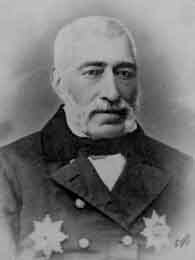
Ioseliani Platon, [November 15 (27), 1809, Tbilisi – November 15 (27), 1875, ibid.], historian, theologian-philosopher. In 1835, he graduated from the St. Petersburg Theological Academy with a candidate's degree in theology. He worked at Tbilisi Theological Seminary as a teacher of philosophy and physics. From 1845 to 1856, he edited the newspaper "Zakavkazski Vestnik," which was published in Tbilisi. In 1849, he traveled to Greece, visited the Iviron Monastery on Mount Athos, and studied Georgian cultural monuments. Ioseliani was a full member of the Athens Archaeological Society. From 1860 to 1875, he published dozens of works dedicated to the problems of Kartvelology (Georgian studies).
By worldview, Ioseliani was an idealist. In his opinion, the historical process was guided by a supreme providence. He divided the history of mankind into three major periods: the tribal, or primitive communal, the feudal, and the capitalist systems. He paid special attention to the study of the history of Georgian cities and the problems of their origin. Ioseliani made a significant contribution to the study and publication of the monuments of Old Georgian literature. He published several literary and historical-scientific works: Chakhrukhadze's "Tamariani" (1838), Ioane Shavteli's "Abdulmesiani" (1838), Ioseb Tbileli's "Didmouraviani" (1851), Timote Gabashvili's "Mimoslva" (Travels) (1852), Anton I's "Tskobilsitkvaoba [Tsqobilsitqvaoba]" (Harmonious Discourse) (1853), and Archil II's "Teimuraziani" (1853).
When highlighting historical issues, Ioseliani allocated an important place to folkloric material, collecting examples of oral tradition. He is considered the first recorder of Georgian riddles. He compiled the collections: "Gamotsanani Kartulni" (Georgian Riddles) (1835) and "Andazebi da Gamotsanebi" (Proverbs and Riddles) (1839).
Ioseliani was a follower of Anton I's literary school, which was manifested in his composition "Piruel-Datskebitni [datsqebitni] Kanonni Kartulisa Ghramatikisa" (First-Elementary Rules of Georgian Grammar) (1840). The first version of the grammar was created in 1831 and encompassed two parts – syntax and orthography. In the same year, the administration of the Tbilisi Theological Seminary reviewed this work and considered it possible to admit it as an educational textbook. In 1836, the Exarch of Georgia, Evgeni, tasked Ioseliani with compiling a Georgian grammar (along with a Russian translation). In 1840, Ioseliani received the diploma of a Corresponding Member of the Academy. Shortly thereafter, the Georgian part of his grammar was printed. Ioseliani's grammar is based on the thoughts of Anton I and Gaioz Rektori, but innovations are also important. Ioseliani is one of the pioneers of the scientific study of the phonetic phenomena of the Georgian language.
Literary works: ცხოვრება მეფისა გიორგი მეათცამეტისა, ა. გაწერელიას რედ., თბ., 1978; Краткая история грузинской церкви, 2 изд., СПб, 1843; Исторический взгляд на состояние Грузии под властью цареймагометан (XIII–XVIII вв.), Тфл., 1849; Города существовавшие и существующие в Грузии, Тфл., 1850; Описание города Душети, Тифлисской губернии, Тфл., 1860; Путевые записки от Тифлиса до Мцхеты, Тфл., 1871.
Literature: ბარამიძე ა., კოლხეთის ისტორიული გეოგრაფიის საკითხები XIX საუკუნის პირველი ნახევრის ქართულ ისტორიოგრაფიაში, «საქართვ. მეცნ. აკადემიის საზ. მეცნ. განყ-ბის მოამბე», 1963, N5; მისივე, პლატონ იოსელიანი და იბერიის (ქართლის) ისტორიული გეოგრაფიის ზოგიერთი საკითხი, კრ.: კავკასიის ხალხთა ისტორიის საკითხები, თბ., 1966; ფოცხიშვილი ა., ქართული ენათმეცნიერების ისტორია, I, თბ., 1995; შარაძე გ., პლატონ იოსელიანი – რუსთველოლოგი, თბ., 1980; Барамидзе А. А., Ватейшвили Д. Л., П. И. Иоселиани. Очерк жизни и научно-общественной деятельности, Тб., 1978.
A. Baramidze
G. Tsotsanidze