Ietim Gurji
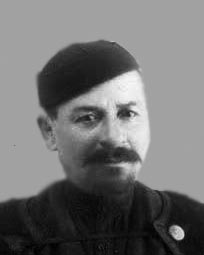
Ietim Gurji (real name and surname: Ietim Dabghishvili) (1875, Tbilisi – July 15, 1940, ibid.), folk singer-poet, one of the final representatives of the Tbilisi Ashugh poetry tradition. From 1905 to 1907, he worked in the oil fields of Baku. He participated in workers' demonstrations, for which he spent four years in prison.
From 1895, he composed poems in the Georgian, Armenian, and Azerbaijani languages. His first book—the poem The Verse of Anabaji—was published in 1909. This was followed by the poetry collections New Bard and Songs (1911), New Poems of Ietim (1913), Tango (1914), and others. In 1928, I. Grishashvili, and later in 1958, A. Tevzadze, published the poet's Selected Poems.
Ietim Gurji's poems were known primarily in the form of songs, which he composed and performed himself. His poetry reflects the aspirations, ideals of truth, and the mood of the Tbilisi bohemia, alongside the lives of the city's workers, artisans, petty merchants, and peasantry.
Ietim Gurji is buried in the Didube Pantheon of Writers and Public Figures.
Literary works: რჩეული ლექსები, თბ., 1960; ლექსები, თბ., 1979.
Literature: გრიშაშვილი ი., თხზულებათა კრებული ხუთ ტომად, ტ. 3, თბ., 1963; მამულიშვილთა სავანე, თბ., 1994; ხალხური მწერალი იეთიმ-გურჯი, «თეატრი და ცხოვრება», 1924, №20 (კრიპტ.: ვ. ბ.).
G. Imedashvili