Zghudri Archaeological Sites
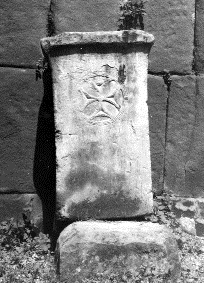
Zghudri Archaeological Sites are a multi-layered archaeological complex located on the left bank of the Dzama River (a right tributary of the Mtkvari) in Gochaantkari (Kareli Municipality). It was excavated in 1964–66 (headed by G. Nemsadze). The toponym originates from the word zghude, meaning a "fenced/enclosed place" (i.e., a city).
The excavations revealed a necropolis from the Late Bronze Age (late 2nd millennium – early 1st millennium BC) consisting of 10 pit burials and 6 stone-circle kurgans (5m in diameter), each containing a single deceased individual. Grave contents included black and grey-fired earthenware, occasionally ornamented (pots, platters, churns), jewelry (bronze spiral-headed pins, bracelets, and rings; carnelian, glass, and paste beads), as well as labor and combat tools (bronze needles, awls, arrowheads, iron sockets, and split spearheads). Within the kurgans, secondary pit burials were found where the deceased were laid in a flexed position with grey-fired ceramic vessels (phiolai, pitchers, platters) and bronze jewelry (spiral-headed pins, bracelets).
Additionally, the excavations uncovered a Late Antique (late 2nd century – early 4th century AD) necropolis belonging to the nobility. Both pit burials and stone sarcophagi contained single and double interments. The deceased, oriented with their heads to the west, were buried with gold, silver, and bronze vessels (including a platter, spoon, and bowl with Greek and Arabic inscriptions; pinakes depicting horses standing before a fire altar and sanctuary, etc.), jewelry (earrings adorned with precious stones, gem-set rings, bracelets, buckles, rosettes, etc.), and ritualistic objects (a bronze gryphon; two censers—one shaped like a bull's head and the other representing a temple model). Also found were imported glassware, silver-clad wooden bed legs, and Roman and Parthian coins of gold and silver. Analogous material is prevalent across Georgia (Bori, Bagineti, Kldeeti, Mtskheta-Armazi, Zhinvali).
Adjacent to the noble burials, contemporary impoverished pit burials were found. The deceased were laid on their left side. Grave artifacts consisted of pinkish and grey-fired clay jugs, silver rings (one with gold-hooped earrings); furthermore each one contained a single Parthian silver coin.
Approximately 80 meters north of the necropolis, a Late Antique (3rd–6th centuries) settlement was excavated. Foundations of a stone structure (1.5m wide) were discovered, along with several large two-handled vessels, the handles of which are decorated with stylized solar imagery. Approximately 150 meters east of this site, a medieval settlement was excavated. Remains of residential (rectangular rooms with rammed earth floors, traces of central pillars and hearths) and economic (oil press) stone structures were found, along with kvevri (wine jars), tone (clay ovens), an oil press vat, ceramic vessels, water pipes, and other artifacts.
G. Nemsadze