Kekelidze Korneli
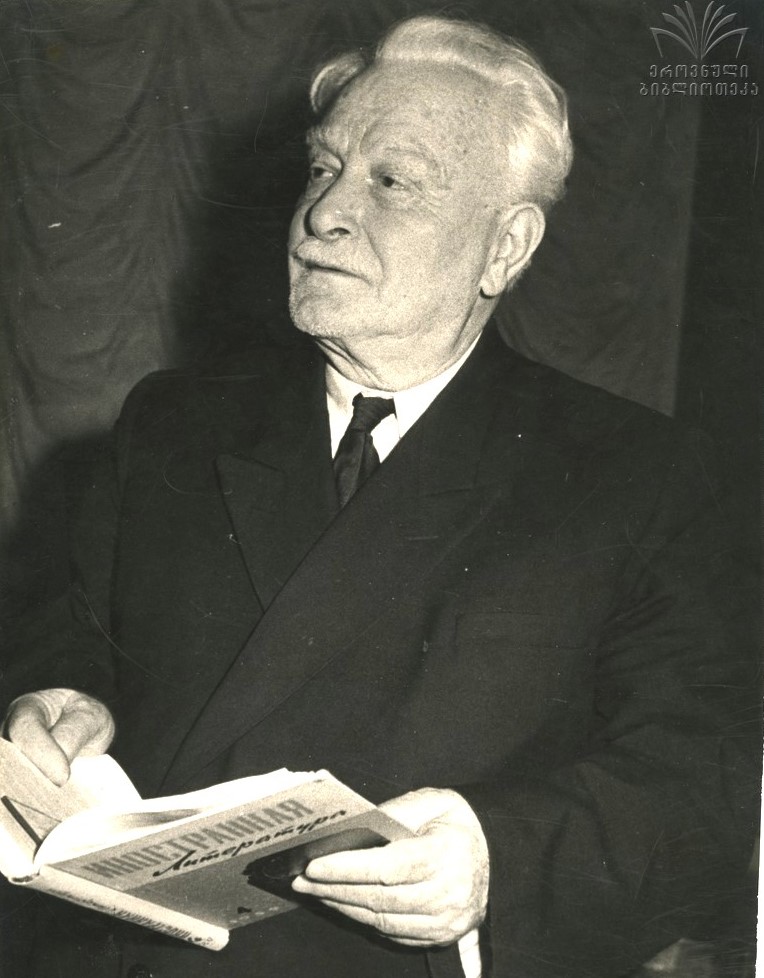
Korneli Kekelidze (b. April 30, 1879, Tobanieri, Vani Municipality – d. June 7, 1962, Tbilisi), philologist, literary critic, full member of the Georgian Academy of Sciences (1941), Honored Scientist of Georgia (1943). From 1905, he was a rector at the Church of Archangel Michael in Kutaisi, then – a deacon. He studied at the Tbilisi Theological Seminary. In 1904, he graduated from the Kiev Theological Academy. In 1905–1906, he worked as a teacher in Kutaisi and Tbilisi. In 1916, he was appointed rector of the Tbilisi Theological Seminary. Kekelidze was one of the founders of Tbilisi State University (TSU). Ivane Javakhishvili offered him the position of dean and the establishment of the Department of History of Ancient Georgian Literature. Kekelidze believed that this position and the clerical rank were incompatible, therefore, with the consent of the Catholicos-Patriarch of Georgia Leonid, he renounced his clerical rank and from 1918 until his death was the head of the Department of History of Ancient Georgian Literature. He was the Dean of the Faculty of Philology (1919–1925), Vice-Rector of the Department of Education and Science (1926–1930), Head of the Antiquities Depository at TSU (1921–1930), Head of the Department of History of Georgian Literature at the Kutaisi Pedagogical Institute (1933–1936), Head of the Shota Rustaveli Institute of History of Georgian Literature (1942–1949).
Kekelidze's first scientific work, New Hymns of Abo of Tiflis was published in 1905 in the magazine “Mtskemsi” (Shepherd) (№13, 14). In 1907, he was awarded a master's degree for his revised candidate thesis, Liturgical Georgian Monuments in the National Archives and Their Scientific Significance (in Russian, published as a separate book in Tbilisi, 1908). In 1905–1912, he collaborated with the scientific magazine “Kievis Sasuliero Akademiis Shromebi” (Works of the Kiev Theological Academy), in 1912–1917 — with the body of the Russian Academy of Sciences “Christian East” (Христианский Восток).
Kekelidze had to work in archives and antiquities repositories, in the collections of private owners; a large part of the heritage of ancient Georgian literature was completely untouched. He made a great contribution to the work of discovering, collecting and describing Georgian manuscripts. Kekelidze's earlier scientific works (The Jerusalem Decree of the 7th Century, in Russian, 1912, M. N. Akhmatov Prize; The Ancient Georgian Archieratikon, in Russian, 1912) aroused the interest of many foreign scholars in Georgian literature. Kekelidze scientifically described Georgian manuscripts preserved in Gelati (1905) and Svaneti (1911). In 1948–1954, several volumes of descriptions of manuscripts of the Georgian State Museum were published under Kekelidze's general editorship. Kekelidze's contribution to textology is immeasurable: in 1918 and 1946, he published a two-volume edition of the Kymenian editions of Georgian hagiographic works (P. Peeters translated a part of the texts published here into Latin), in 1930 – N. Tsitsishvili's Baramguriani, in 1935 – John (Ioane) Sabanisdze's Martyrdom of Abo of Tiflis and Basil Zarzmeli's The Life of Serapion of Zarzma, in 1936 and 1948 – Prince Ioane of Georgia's Kalmasoba (co-editor A. Baramidze), in 1938 – Vīs and Rāmīn (co-editors A. Baramidze and P. Ingorokva), in 1941 – The History and Lives of the Sovereigns, etc.
Kekelidze's erudition, his profound analysis of both general and specific issues of ancient Georgian writing, led to the creation of a fundamental two-volume history of ancient Georgian literature (published several times in 1923–1981). Based on this work, Kekelidze created a Concise Course of Ancient Georgian Literature (in Russian, 1938, in 1955, the first volume of Kekelidze's two-volume work, revised by M. Tarkhnishvili and I. Asfalg, was published in German in Rome). From the very beginning, Kekelidze determined the great importance of studying ancient Georgian literature both from the point of view of the history of Georgian culture and the history of world Christian culture. He studied Georgian-Byzantine, Georgian-Persian literary relations, and the issues of the relationship between ancient Georgian literature and folklore. Kekelidze also made a great contribution to Georgian historiography, conducting special research on the history of ancient Georgian writing, the Georgian calendar and chronology, ancient Georgian printing-house and the history of Georgian book printing, the translation method in ancient Georgian literature, and other important issues. He also made an invaluable contribution to the education of Georgian scientists.
Kekelidze received state awards.
He is buried in the courtyard of Ivane Javakhishvili Tbilisi State University.
Literary works: ეტიუდები ძველი ქართული ლიტერატურის ისტორიიდან, ტ. 1–13, თბ., 1945–74; ქართული ლიტერატურის ისტორია, ტ. 1–2, თბ., 1960, 1958; ათი სტატია პრესისათვის, თბ., 2019.
Literature: ალიბეგაშვილი კ., დეკანოზ კორნელი კეკელიძის ბიბლიოგრაფია, თბ., 2013; ბარამიძე ა., კორნელი კეკელიძე თბ., 1961; ბეთხოშვილი დ., კორნელი კეკელიძე-რუსთველოლოგი, თბ., 2006; დიდი ქართველი მეცნიერი აკად. კორნელი კეკელიძე. კრებული შეადგინა და გამოსაცემად მოამზადა ს. ყუბანეიშვილმა, თბ., 1965; კორნელი კეკელიძის დაბადების 80 წლისთავის აღსანიშნავად. [კრებული], თბ., 1959; კორნელი კეკელიძის პირადი არქივის აღწერილობა, შეადგინა რ. კავილაძემ, თბ., 1979; კორნელი კეკელიძე (1879–1962), ბიობიბლიოგრაფია. შემდგ. ს. ყუბანეიშვილი, ე. დოლიძე, მთ. რედ. შ. ძიძიგური, თბ., 1979; კორნელი კეკელიძე - ქართული ფილოლოგიის პატრიარქი (შემდგენელი ე. ხინთიბიძე), თბ., 2021; სირაძე რ., კორნელი კეკელიძე, თბ., 1979.
A. Baramidze